
Orthokeratology for Myopia Control: What Parents Need to Know
Author: Jagrut Lallu, BOptom (Hons), MSc Specialty Lenses (Hons), FIAOMC. Therapeutic Optometrist & Contact Lens Specialist. Founder, New Zealand Eye Research Centre; Partner, Rose Optometry; WCO Asia-Pacific Myopia Ambassador; International Myopia Institute New Zealand Ambassador; Clinical Senior Lecturer, Deakin School of Optometry; Honorary Teaching Fellow, University of Auckland.
Published by the New Zealand Eye Research Centre. General information only — not a substitute for a personalised assessment.
Childhood myopia (short-sightedness) is rising worldwide, and it is more than an inconvenience: longer eyes carry a higher lifetime risk of retinal problems. As a myopia-management specialist and ambassador for the World Council of Optometry and the International Myopia Institute, this is the question I am asked most by parents: can we slow it down? Orthokeratology — ortho-k — is one of the best-evidenced ways to try.
What is orthokeratology?
Ortho-k uses custom rigid contact lenses worn overnight. They gently and reversibly reshape the front surface of the eye while your child sleeps. In the morning the lenses come out and most children see clearly all day without glasses or daytime contacts. The reshaping is temporary — stop wearing the lenses and the eye returns to its original shape.
How well does it slow myopia?
The evidence is genuinely good. The landmark Retardation of Myopia in Orthokeratology (ROMIO) randomised controlled trial showed ortho-k substantially slowed the elongation of the eye compared with normal glasses. A widely cited meta-analysis pooling multiple trials found ortho-k reduced axial elongation by around 0.27 mm over two years versus controls — with a greater effect in children with moderate-to-high myopia. Put simply: for many children ortho-k roughly halves the rate at which the eye lengthens.
Two important honest points
- Ortho-k controls progression — it does not cure or reverse existing myopia. The goal is to end up less short-sighted as an adult than your child otherwise would have been.
- Results vary between children, and the effect is strongest while lenses are worn consistently. Some children benefit more from other options (such as atropine drops or myopia-control spectacles/soft lenses), and combined approaches can help — which is why an individual assessment matters.
Is it safe?
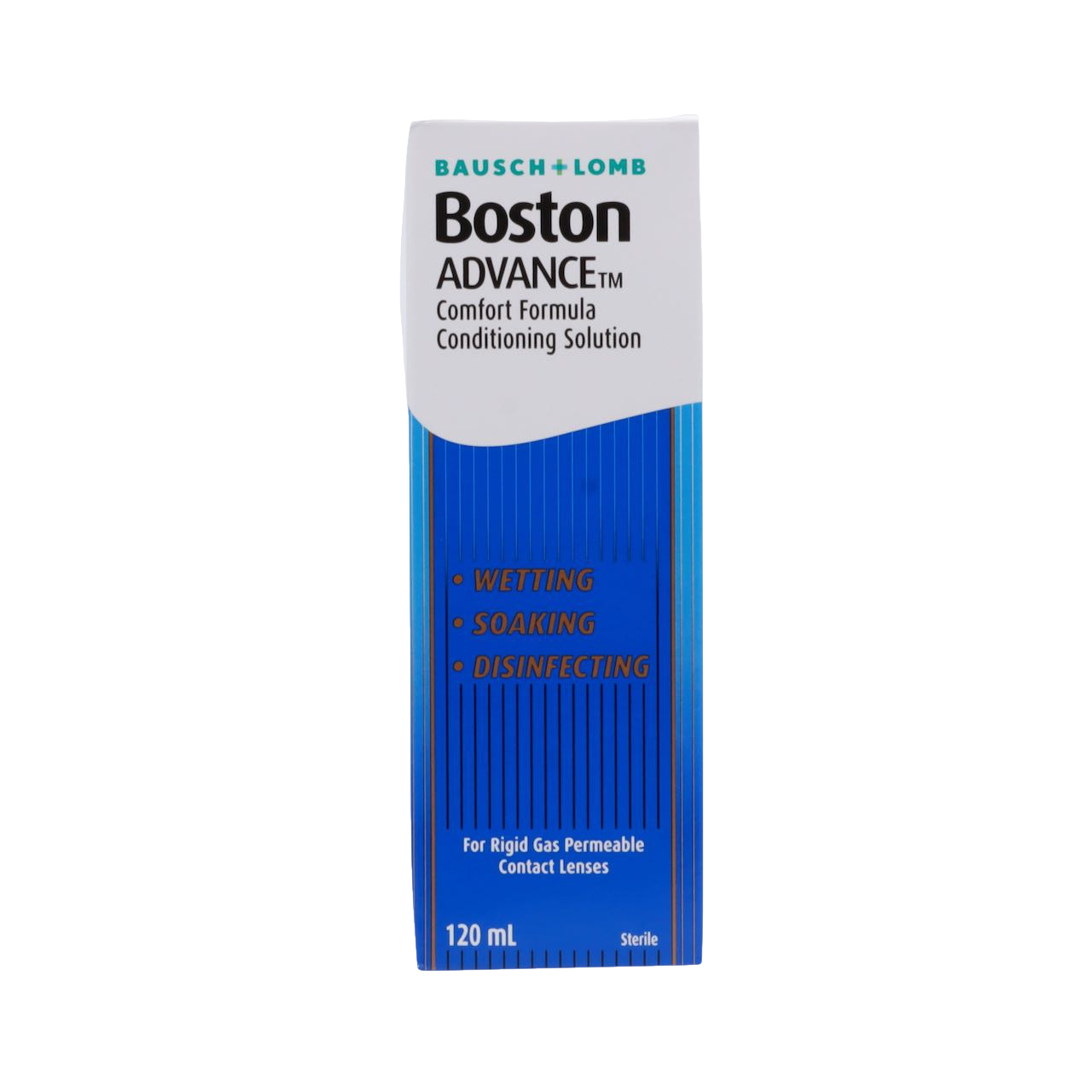
Ortho-k has a strong safety record when fitted and monitored by an experienced practitioner. The main risk — as with any contact lens — is infection, which is minimised by correct hygiene, proper lens care and regular reviews. Good lens care matters: we recommend a daily ortho-k lens care routine using a multipurpose solution such as MeniCare Plus, periodic deep-cleans with Menicon Progent, and a handling tool like the DMV Classic remover to keep overnight lenses healthy.
Is my child a candidate?
Most children with progressing myopia are potential candidates, and there is no strict minimum age — suitability depends on the child, the prescription and the family's ability to manage the routine. The best time to start is early, because the goal is to prevent elongation that has not happened yet.
Talk to us
At Rose Optometry we fit and monitor ortho-k as part of a full myopia-management programme, backed by the research focus of the New Zealand Eye Research Centre. If your child's prescription is increasing, book a myopia assessment — the earlier we act, the more sight we can protect.
References
- Cho P, Cheung SW. Retardation of Myopia in Orthokeratology (ROMIO) study: a 2-year randomized clinical trial. Invest Ophthalmol Vis Sci. 2012;53(11):7077–7085. PMID: 22969068.
- Li SM, Kang MT, Wu SS, et al. Efficacy, safety and acceptability of orthokeratology on slowing axial elongation in myopic children by meta-analysis. Curr Eye Res. 2016;41(5):600–608. PMID: 26237276.
- Kinoshita N, Konno Y, Hamada N, et al. Efficacy of combined orthokeratology and 0.01% atropine solution for slowing axial elongation in children with myopia: a 2-year randomised trial. Sci Rep. 2020;10:12750. doi:10.1038/s41598-020-69710-8.